June 15, 2026
Understanding the essential things your roofing contractor wants you to know can ensure a smooth, successful, and stress-free roofing project. This article delves into the key points that contractors emphasize to every homeowner. By grasping these insights, you'll be better equipped to collaborate with your contractor effectively and to make informed decisions about your roofing needs. Whether it's recognizing the signs of roof damage, selecting the right materials, or preparing for the actual work, having the right knowledge can safeguard your investment.
A roof protects your home from rain, wind, temperature changes, and environmental damage throughout the year. When roofing problems develop, even small concerns can quickly become larger structural issues if they are ignored. Taking the time to understand the roofing process helps homeowners avoid unnecessary stress while improving communication throughout the project.
1. Understanding Your Roofing Needs
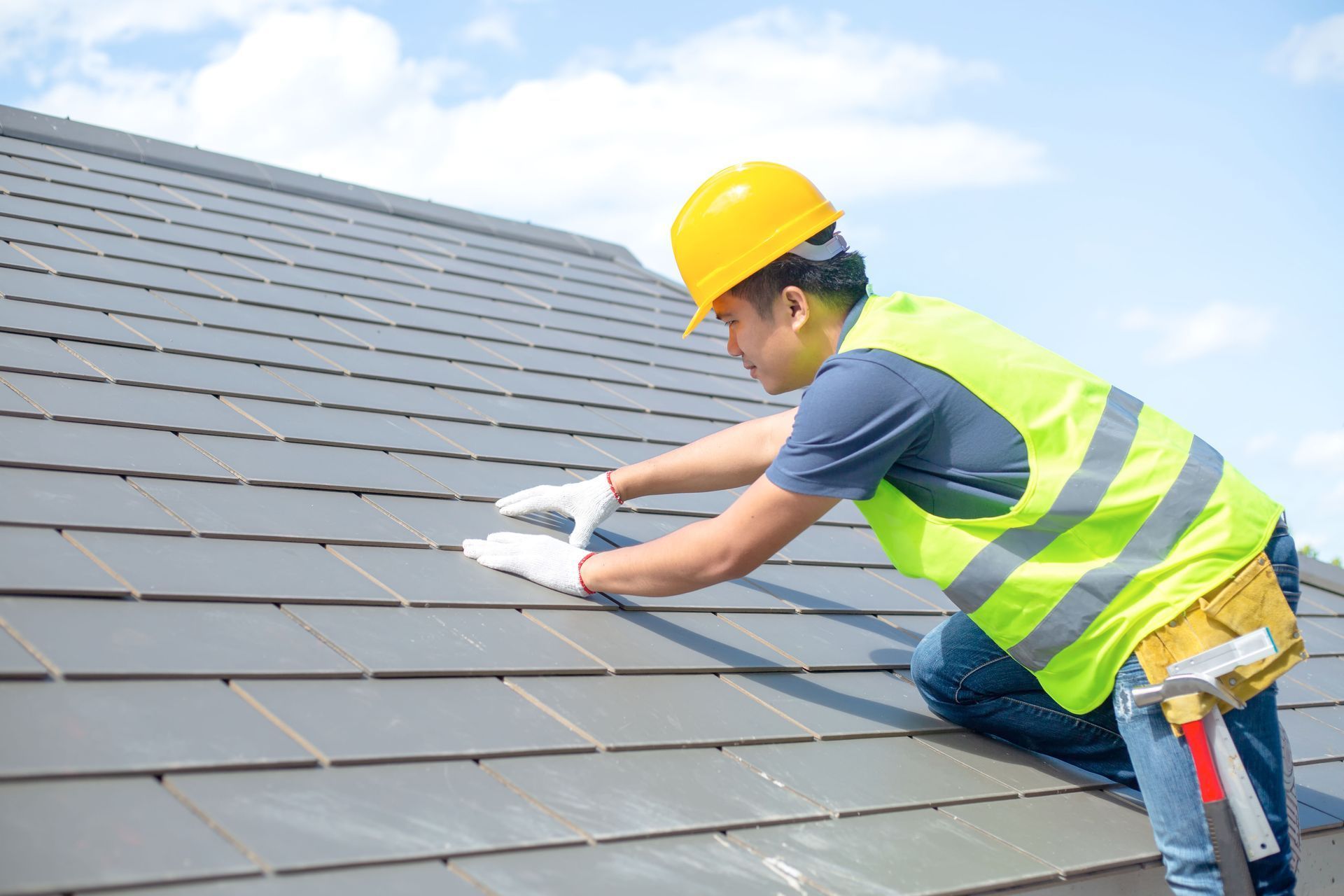
The first step in any roofing project is to thoroughly assess the current condition of your roof. By understanding its health, you can determine whether repairs are sufficient or if a full replacement is necessary. This involves looking for signs of wear and tear, such as missing shingles, leaks, or sagging areas. The assessment process helps identify potential problem zones that could affect your home's structural integrity over time.
Regular inspections not only help identify immediate issues but also extend the lifespan of your roof by addressing smaller concerns before they worsen. Homeowners should also pay attention to warning signs inside the home, including water stains, mold growth, or increased humidity in attic spaces. Catching these problems early can reduce long-term repair expenses and help maintain indoor comfort.
2. Choosing Roofing Materials
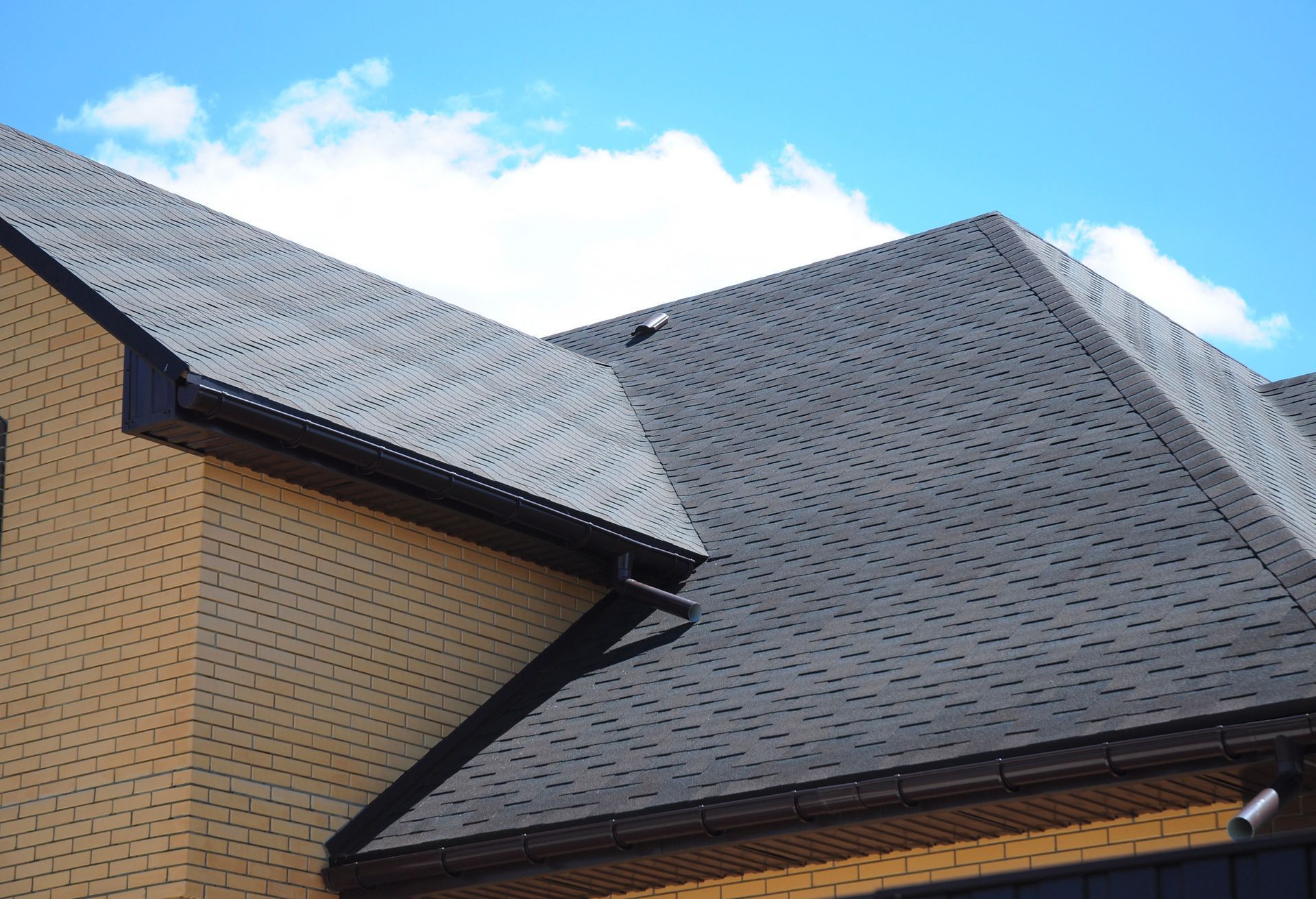
Another important consideration is selecting the right roofing materials, which will vary based on your home's architecture, local climate, and budget. Asphalt shingles are popular for their affordability and durability, while metal, slate, and clay tile systems offer different benefits depending on environmental conditions and long-term maintenance goals.
Consulting a roofing contractor can help homeowners compare material options more effectively. The choice of roofing material impacts curb appeal, energy efficiency, maintenance requirements, and the overall lifespan of the roof. Some materials provide stronger wind resistance while others offer improved insulation and temperature control.
3. Understanding Weather Impacts
Weather conditions play a significant role in the longevity and effectiveness of roofing systems. Extreme heat, freezing temperatures, heavy rain, hail, and strong winds can all place stress on roofing materials over time. Contractors often recommend selecting products designed specifically for the climate in your area.
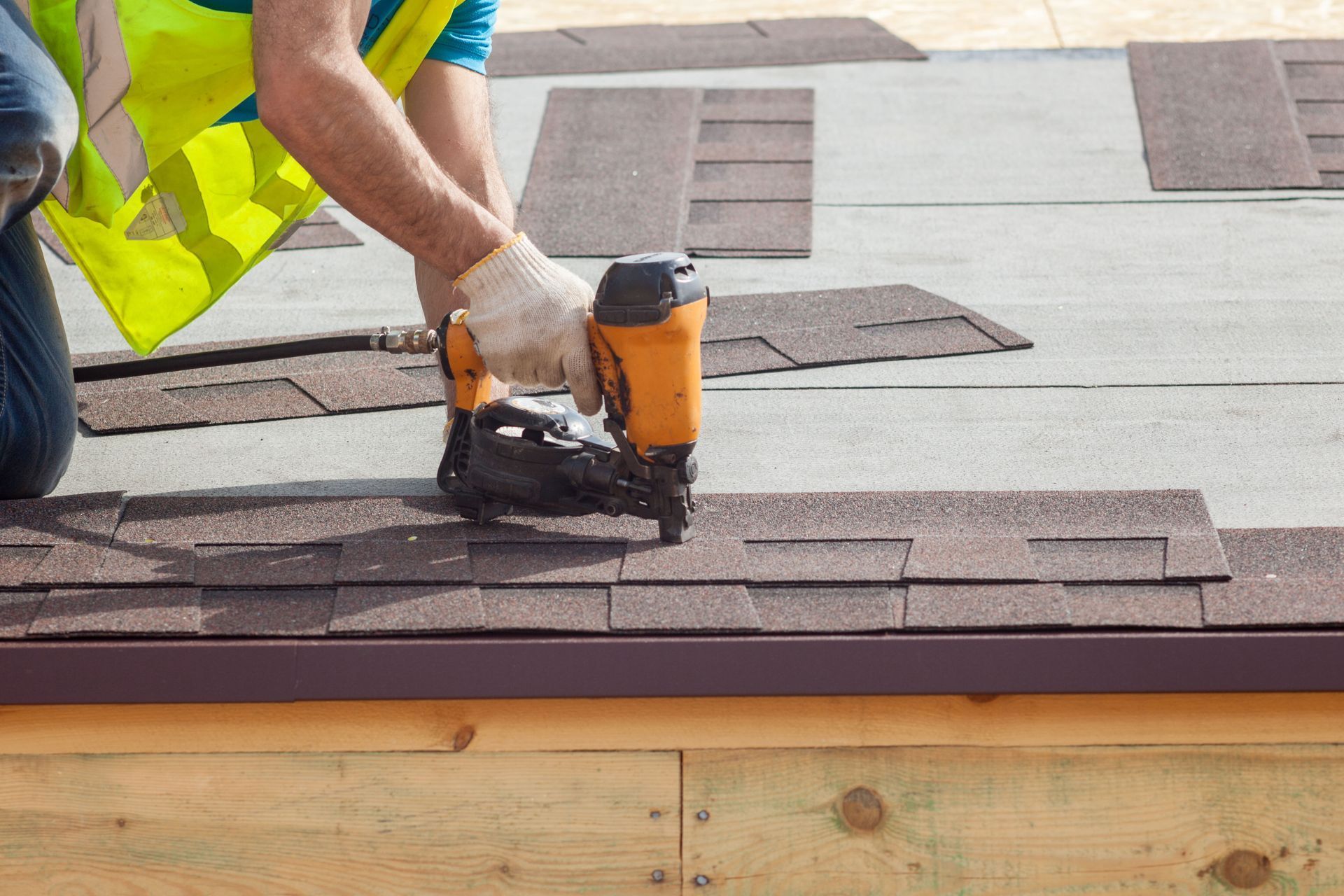
Proper installation is equally important because even high-quality materials can fail if they are not installed correctly. A roofing contractor can inspect storm-related damage and identify hidden moisture problems before they spread beneath the roofing system. Routine inspections after major storms can help homeowners identify damage early and prevent moisture from spreading beneath the roofing system.
4. Recognizing Repair Versus Replacement
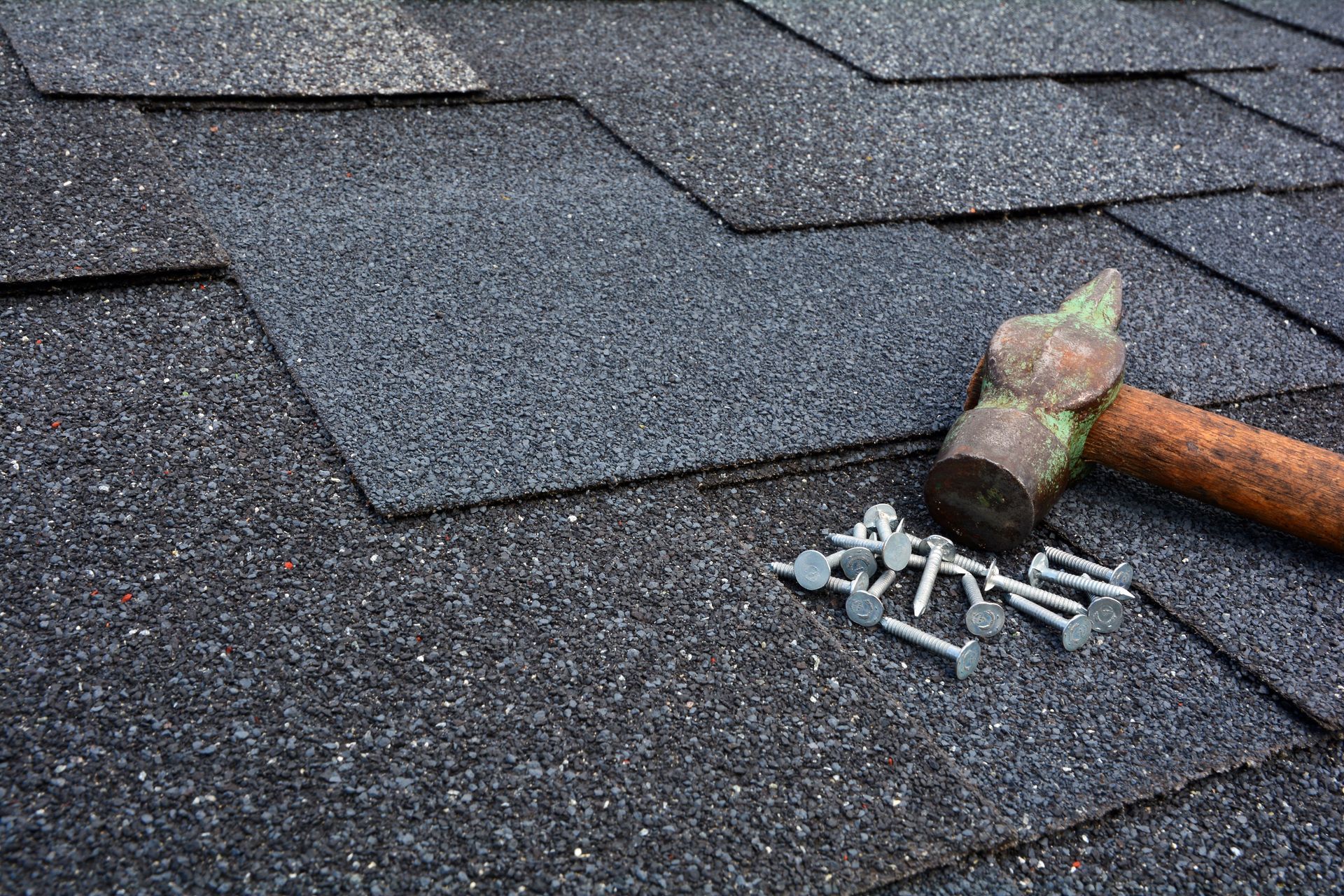
One of the most difficult decisions homeowners face is whether to repair or replace a roof. Repairs may seem more affordable initially, but repeated fixes can eventually cost more than a complete replacement. Older roofs with widespread damage often benefit more from replacement because it resolves hidden structural issues and provides a fresh start.
Professional inspections can help determine which option makes the most financial sense. Factors such as roof age, water damage, missing shingles, and ventilation issues all contribute to the decision-making process. According to Today’s Homeowner, roof replacement is generally the better choice if repair costs exceed $3,000, which highlights the importance of evaluating long-term value instead of focusing only on short-term savings. Understanding the long-term benefits of replacement can help homeowners avoid ongoing repair expenses.
5. Setting Realistic Expectations
Setting realistic expectations helps homeowners better prepare for the timeline, costs, and scope of a roofing project. Weather delays, material shortages, and hidden structural damage can occasionally affect schedules and budgets. Open communication with contractors reduces confusion and creates a smoother experience.
Knowing what to expect throughout each phase of the project can help homeowners feel more confident and organized. Realistic expectations also make it easier to prepare financially and emotionally for temporary inconveniences during construction.
6. Selecting Qualified Professionals
Choosing the right roofing contractor is one of the most important parts of the process. Homeowners should verify licensing, insurance, certifications, and experience before hiring a company. A qualified professional should be willing to provide documentation and answer questions clearly.
Proper insurance protects both the workers and the homeowner if accidents occur during construction. Hiring experienced professionals also increases the likelihood of high-quality workmanship and long-lasting roofing performance.
7. Reviewing Previous Projects
Reviewing previous projects allows homeowners to evaluate workmanship and reliability before making a final decision. Contractors often provide photographs, references, or examples of completed jobs that demonstrate the quality of their work.
Speaking with past customers can offer valuable insight into communication, professionalism, cleanliness, and project timelines. Positive reviews and strong references often reflect consistency and dedication to customer satisfaction.
8. Understanding Warranties
Warranties provide important protection for homeowners after the project is complete. Some warranties cover roofing materials while others focus on workmanship. Understanding the differences between these warranties helps homeowners know what is protected if future issues arise.
Homeowners should carefully review warranty terms, including coverage periods, limitations, and maintenance requirements. Keeping warranty documentation in a secure location makes it easier to address future claims if necessary.
9. Comparing Project Estimates
Comparing estimates from multiple companies helps homeowners understand pricing differences and evaluate overall value. A detailed estimate should outline labor, materials, timelines, permits, cleanup procedures, and any possible additional expenses.
It is important to look beyond the lowest price and consider experience, communication, and reputation. A roofing contractor should clearly explain the estimate and answer questions about labor, warranties, and installation procedures. In some cases, slightly higher estimates reflect stronger warranties, better materials, or more experienced labor crews.
10. Establishing Communication Plans
Effective communication is essential for keeping roofing projects organized and efficient. Homeowners should establish how updates will be shared, who the main point of contact will be, and how unexpected concerns will be addressed.
Consistent communication allows both parties to stay informed throughout the process. Quick responses and regular updates help reduce misunderstandings while creating a more professional and cooperative working relationship.
11. Reviewing Detailed Estimates
Obtaining a detailed estimate is crucial for understanding the financial side of a roofing project. Comprehensive estimates should break down costs for labor, materials, permits, disposal fees, and additional services.
This level of detail improves transparency and helps homeowners better manage their budgets. Clear estimates also reduce the likelihood of unexpected costs appearing later in the project.
12. Understanding the Scope of Work
The scope of work document outlines the tasks and standards involved in the roofing project. This document helps clarify what will be completed, which materials will be used, and how the installation process will proceed.
A clearly defined scope prevents misunderstandings and creates accountability for everyone involved. Homeowners should review all project details carefully before signing agreements or authorizing work to begin.
13. Preparing the Property
Preparing the property before construction begins helps improve safety and efficiency. Homeowners may need to move vehicles, cover attic belongings, trim nearby branches, and clear outdoor furniture away from the work area.
Understanding these essential roofing insights allows homeowners to approach projects with greater confidence and preparation. From selecting materials and comparing estimates to maintaining long-term care, every step contributes to a smoother and more successful experience. Working closely with an experienced roofing contractor can improve communication, protect your investment, and help your home remain safe and durable for years to come. Contact our team at Trafford Roofing & Pressure Cleaning today and learn more about our roofing services.